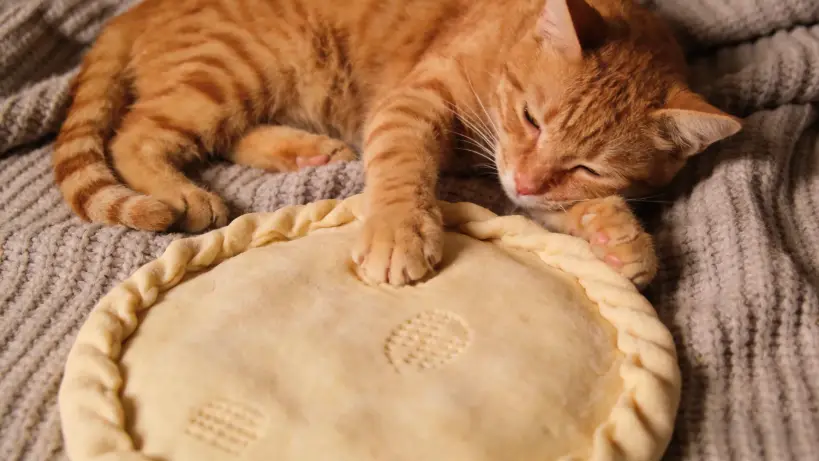
If you’re a cat parent, you’ve probably felt your cat’s soft paws patting your lap rhythmically.
This “kneading” or “making biscuits” looks cute, and most of us think it’s just a sign of happiness.
But this simple action means more than joy—it reflects your cat’s instincts, emotions, and sense of security.
Every cat is unique, so their kneading habits differ—some soft, some forceful, some only when cozy.
1. A Throwback to Kittenhood: Instinct from Birth
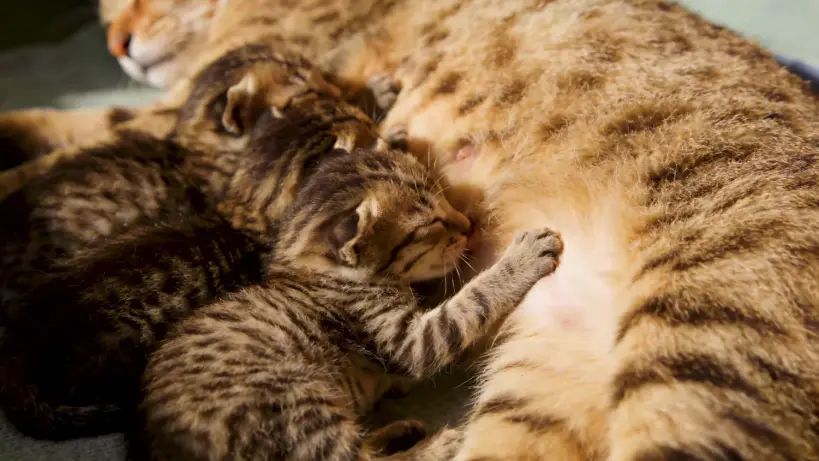
Kneading starts the moment your cat is born, long before they become an adult.
As tiny kittens, they knead their mom’s belly to stimulate milk flow, getting the nourishment they need to survive.
This behavior is hardwired in their DNA, and many cats keep doing it even after being weaned.
For adult cats, kneading is a way to revisit the comfort and safety of their earliest days with their mother.
Some cats even suck on blankets while kneading, mimicking kitten suckling—it’s their way of self-soothing, not immaturity.
2. Marking Territory: A Sweet “This Is Mine”
Cats have scent glands in their paw pads, and kneading releases their unique scent on surfaces or people.
This is their gentle way of marking territory, a key part of how cats feel grounded in their space.
When your cat kneads you, they’re not just being affectionate—they’re saying you’re theirs and their safe place.
Some cats only knead favorite blankets or your lap, creating a familiar scent that makes them feel at home.
Just like their personality, every cat’s scent is unique—no two kneading “markings” are the same.
3. Stress Relief: Kneading as Cat Self-Care
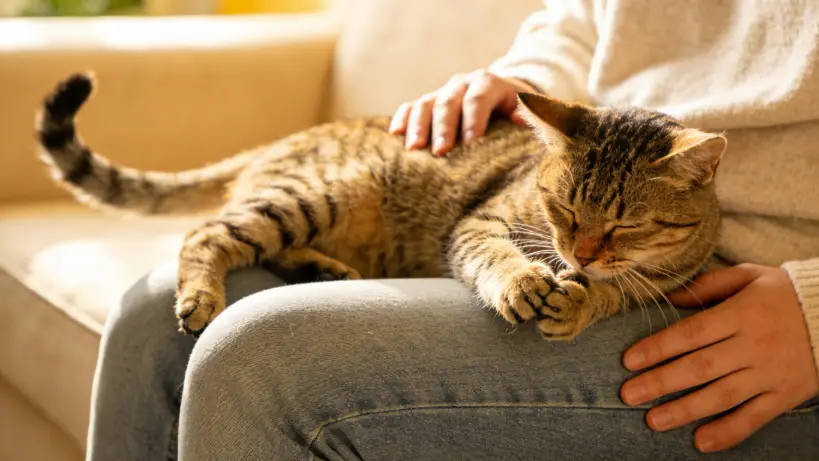
While kneading often happens when cats are happy, it’s also a coping mechanism for anxiety or stress.
Cats are sensitive, and changes like moving, new pets, or loud noises can make them on edge.
Kneading triggers endorphins, the body’s natural “feel-good” chemicals, calming them down.
It’s similar to how humans fidget or squeeze a stress ball when nervous.
You might notice more kneading during chaos—like guests or vet trips—it’s their way of self-regulating.
4. Showing Trust: The Highest Cat Compliment
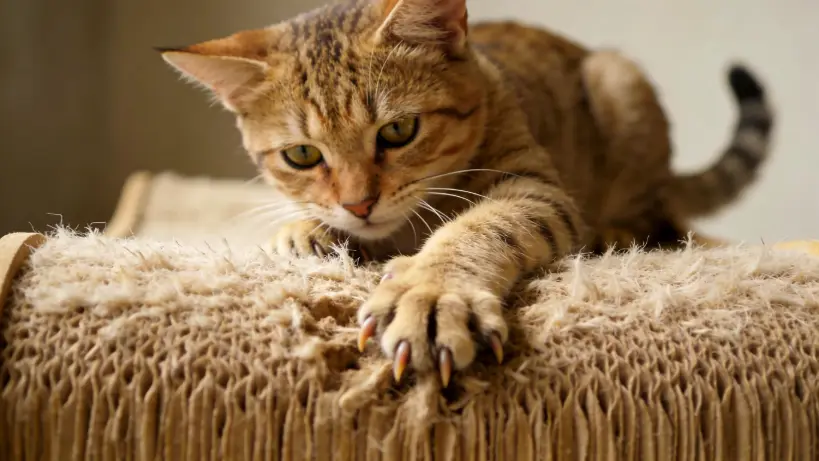
Cats are independent and don’t let their guard down easily—kneading is a sign of hard-earned trust.
They’re vulnerable then, often closing their eyes or purring while they knead.
Some even expose their bellies, a sure sign they feel completely safe with you.
Remember: every cat is different. Some knead daily, some rarely; some prefer soft surfaces, others jeans.
There’s no “right” way to knead—their unique habits make them special.
When to Watch for Concerns
Most kneading is harmless, but a few signs deserve attention.
Compulsive kneading—hours on end or so hard it hurts—could signal stress or discomfort.
Some breeds, like Siamese or Burmese, are more prone to this.
Sudden increased kneading or pain (hissing, flinching) are clues something might be wrong.
Final Thoughts: Embrace the Kneading Love
Kneading is one of cats’ most endearing behaviors, a mix of instinct, comfort, trust, and pride.
As a responsible cat parent, let them knead (unless it harms) and respond with gentle affection.
If you’re unsure about their behavior—kneading or otherwise—always consult a qualified veterinarian.
Your cat can’t speak, but their kneads tell you everything about your unique bond.