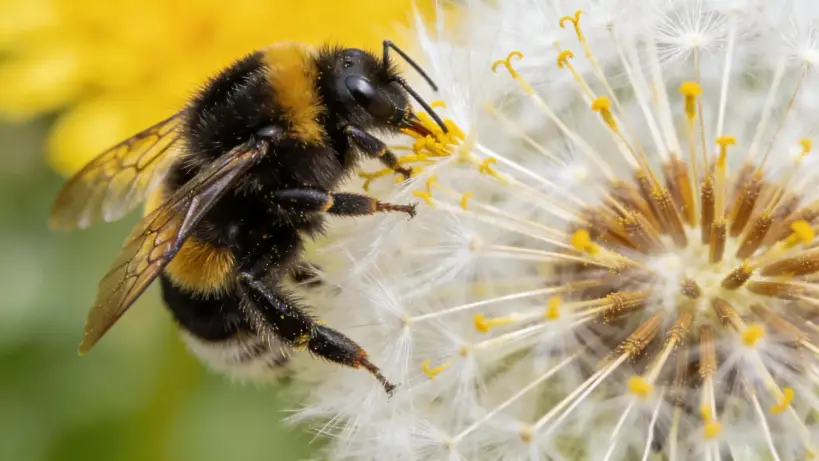
Every May, as U.S. lawns turn lush, many homeowners grab their lawnmowers to get that picture-perfect, manicured look linked to a well-cared-for home.
But what you might not realize is that this daily routine is quietly threatening the lives of thousands of bees—and “No Mow May” is a simple, effective way to help, while also creating a more natural space for your pets to enjoy.
Why May? It’s Make-or-Break for Bees
For native U.S. bees, May is make-or-break. After winter, queen bumblebees and other native bees emerge from underground nests, hungry and in need of shelter.
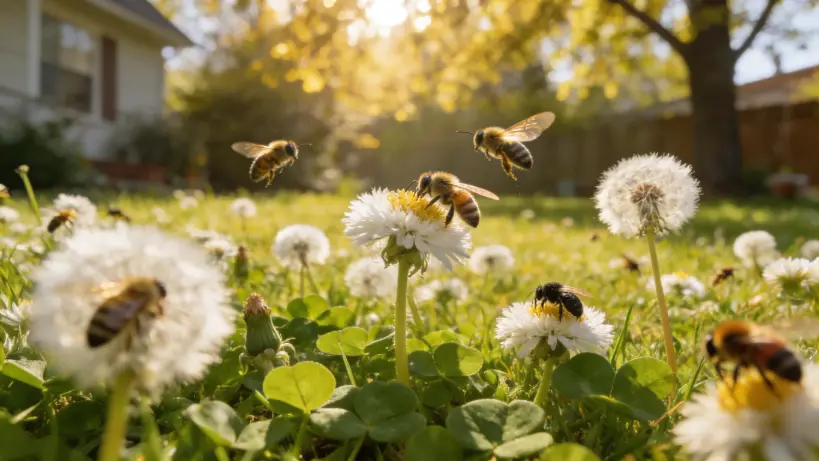
Lawn “weeds” like dandelions and clover are their vital early food. Just like every pet is unique, different bees have different preferences—and these plants deliver.
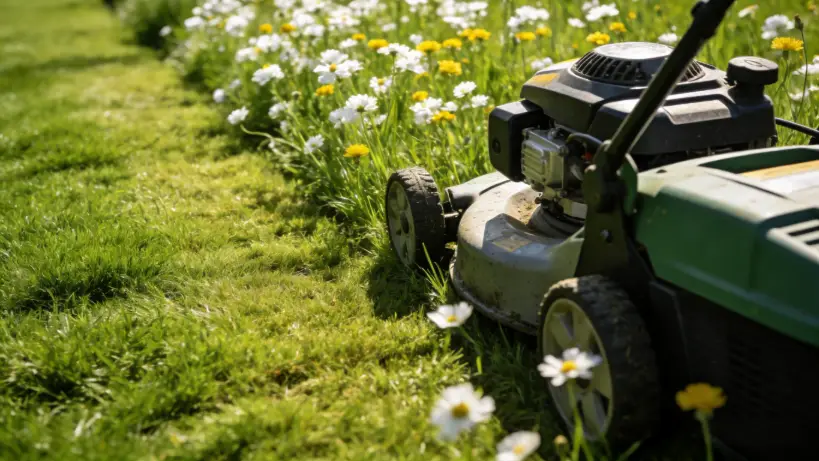
Frequent mowing cuts off this food, dooming newly awakened bees. The U.S. has over 4,000 native bee species—bumblebees, mason bees, sweat bees—and many are declining.
The Hidden Harm of a Perfect Lawn: It’s More Than Just Weeds
That “perfect lawn” many Americans want is a death trap for bees—we often use pesticides and herbicides that harm them severely.
Neonicotinoids (a common pesticide) ruin bees’ navigation with tiny amounts. A single-type lawn also fails them—just like pets need space, bees need diverse plants.
Lawnmower noise and vibration also disturb nesting bees, harming small worker bees and larvae, worsening colony decline.
The Surprise of No Mowing: A Bee Paradise (and Safer for Pets)
Let your lawn grow 2-4 weeks, and small flowers will bloom—drawing backyard bees like fuzzy bumblebees and tiny sweat bees.
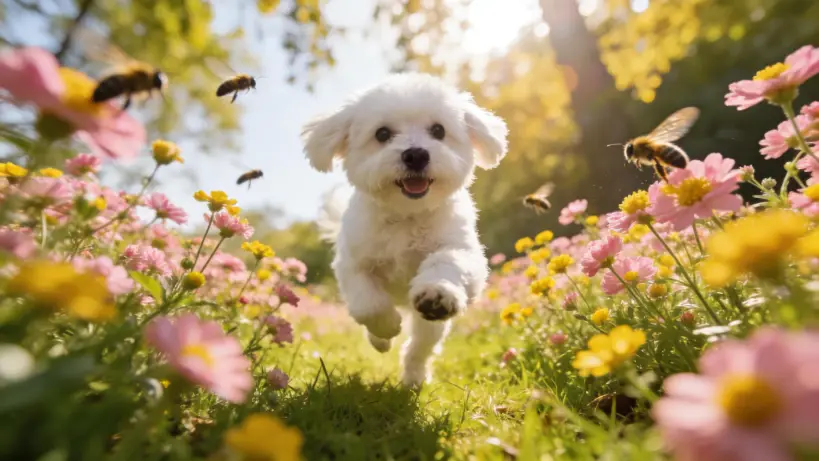
Wilder lawns feed bees and cut chemical use, keeping pets safer—every pet’s constitution differs, so avoiding pesticides reduces poisoning risk.
U.S. Bee City USA data shows even a small uncut section boosts bee numbers and diversity, supporting a healthier ecosystem.
How to Join In: The Right Way to Do No Mow May
No Mow May isn’t about a jungle lawn—it’s gentle care balancing beauty, ecology, and pet safety.
Mow most of your yard for curb appeal, leave a section uncut for bees. Skip chemicals—use natural weeding to protect bees and pets.
If you find a bee nest, don’t panic—most are gentle. Block a small safe area if worried about your pet disturbing it.
Bees and Pets: Sharing a Healthy Home
Bees’ survival ties to ours and our pets’—they pollinate 75% of crops and wild plants, securing our food supplies.
Every bee is unique, just like your pet. Protecting bees means protecting our shared home.
If your pet has pesticide exposure or a bee sting, consult a vet immediately—never self-treat.
This May, put down the lawnmower. A small act helps thousands of bees—and gives your pet a safer, more natural space.