
With their short legs, fluffy butts, and lively personalities, Corgis have long been a favorite among apartment dwellers in the United States.
But before bringing this cute “Corgi potato” home, there are 5 surprising truths you must know—far beyond their appearance. Every Corgi is unique, and these facts will help you take better care of your furry friend.
Truth 1: “Small Size” Doesn’t Mean Low Energy
Don’t be fooled by their short legs—Corgis are by no means a low-energy dog breed. Originally herding dogs, they have a lot of energy to burn.
Lack of exercise in an apartment can easily lead to problems like chewing furniture and frequent barking. A 30-minute walk is often not enough; pairing it with puzzle toys can meet their mental needs.
Truth 2: Shedding Is More Than You Think

Corgis have a thick double coat and shed all year round, with even more severe shedding during seasonal changes.
Brushing their fur every day can reduce loose hair accumulation, but you will still find their hair everywhere on the sofa and clothes—no Corgi can be “low-shedding.”
Truth 3: Their Body Type Puts Them at Health Risk
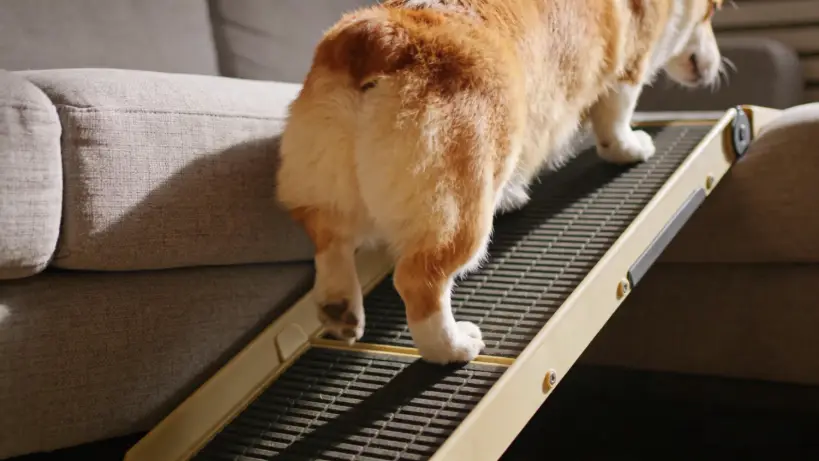
It is precisely the short legs and long body that make Corgis cute that bring them considerable health risks, especially prone to spinal and joint problems.
When raising them in an apartment, never let them jump on sofas or beds; it is recommended to use ramps for assistance. At the same time, strictly control their diet—extra weight will further burden their bodies, and remember to always pay attention to their activity status.
Truth 4: They Are Prone to Separation Anxiety
Corgis are naturally loyal and have an especially deep bond with their owners. Being alone for a long time in an apartment can easily lead to separation anxiety.
This anxiety can manifest as barking, howling, or chewing items. If you need to work long hours, it’s best to ask a dog walker or pet sitter for help—after all, most Corgis cannot do without human companionship.
Truth 5: They Need More Training Than You Think

Corgis are certainly smart, but they have a stubborn streak in their bones. Without consistent training, they can easily become willful and may develop bad habits.
Apartment living has higher requirements for behavior. Basic training (such as “sit,” “stay,” and “quiet”) can avoid conflicts with neighbors, and using treats and praise for guidance works better.
In fact, raising a Corgi in an apartment is not impossible—the key lies in patience and care. Every Corgi is unique; some can adapt quickly, while others need more careful care.
The most crucial step is to consult a professional veterinarian and obtain personalized advice based on the Corgi’s age and health status, so that both you and your furry friend can live comfortably in the apartment.